The Bias You Don’t See Is the One Running the Show
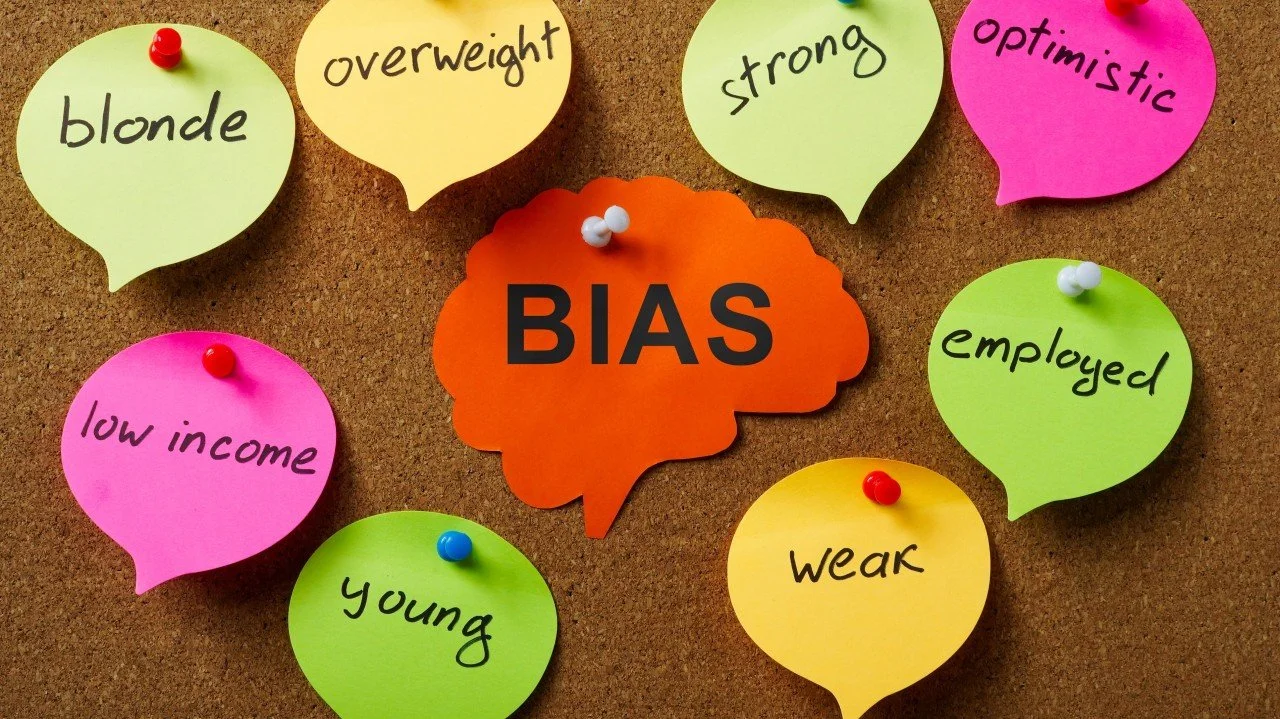
The Illusion of Progress in Tackling Bias
A familiar pattern is playing out across many hospitality businesses right now. We believe we have bias under control. We have invested heavily in awareness. Workshops, e-learning modules, leadership programmes, and toolkits have all played a role in helping people understand what bias is and how it can show up. Most leaders can now describe affinity bias or confirmation bias with confidence. It is well-intentioned, and on the surface, this feels like progress.
But if you spend enough time inside organisations, particularly in hospitality, you begin to notice something more subtle. The same patterns repeat. The same types of individuals progress. The same types of behaviours are rewarded. Decisions are explained, justified, and rationalised, yet the outcomes rarely shift in any meaningful way. Unconscious bias is not a knowledge gap. It is a behavioural one.
The Bigger Shift Behind This Issue
Development and HR functions are at their most effective when they help organisations build capability that supports execution, not just activity. That distinction matters. Because in hospitality, bias does not appear in neat examples. It appears in real time, often subtly, and usually under pressure. It does not announce itself. It blends into everyday decision-making.
What we are seeing more clearly now is that addressing bias becomes more effective when it targets the pace and complexity of the workflow. In hospitality environments, where decisions are made quickly and often without the luxury of reflection, a hiring decision might be made between interviews. A promotion decision might be shaped by recent visibility rather than long-term contribution. These are not deliberate acts of unfairness. They are human responses to complexity and pace, and that is exactly why they are so difficult to address.
The Real Impact on Hospitality Teams
Development and HR functions are at their most effective when they help organisations build capability that supports execution, not just activity. That distinction matters. Because in hospitality, bias does not appear in neat examples. It appears in real time, often subtly, and usually under pressure. It does not announce itself. It blends into everyday decision-making.
What we are seeing more clearly now is that addressing bias becomes more effective when it targets the pace and complexity of the workflow. In hospitality environments, where decisions are made quickly and often without the luxury of reflection, a hiring decision might be made between interviews. A promotion decision might be shaped by recent visibility rather than long-term contribution. These are not deliberate acts of unfairness. They are human responses to complexity and pace, and that is exactly why they are so difficult to address.
Where Many Hospitality Businesses Struggle
Perhaps the biggest hurdle is the reliance on process as the default response. Many organisations have taken steps to strengthen their frameworks: blind recruitment, structured interviews, and diverse panels. These are important foundations that help level the playing field.
However, the process alone does not eliminate bias. It simply limits where it can operate. Bias can still influence how a candidate’s answer is interpreted, how potential is defined, or how feedback is framed. Without conscious discipline, even well-designed processes can be navigated in ways that reinforce existing preferences. Instead of just adding more frameworks, HR must shift the focus into observable behaviour.
What HR Must Get Right
To move from bias awareness to genuine fairness, HR leaders must focus on practical, operational shifts in decision-making.
Focus on Evidence Over Instinct Conversations create far more impact when leaders separate instinct from evidence. Instinct is not inherently flawed, but it should not be the sole basis for a decision. Leaders should actively test their views by asking:
What is known, what is assumed, and what might be missing?
What information challenges our initial view?
What might we be overlooking?
How else could we interpret this situation?
Decision Support Beyond Process Fairness improves when the conditions around the work make better decisions easier. In practice, this means less emphasis on standard awareness training and more on slowing down. Introducing a deliberate pause, however brief, creates space to consider the evidence. Furthermore, encouraging thoughtful, respectful challenge broadens perspective and reduces the risk of collective bias.
Visibility of Impact Impact becomes more credible when patterns are examined collectively. This requires clarity early on:
Are our decisions reflecting true capability or mere visibility?
What would fair progress look like in business terms?
What would give teams confidence that our processes are working?
Why Hospitality Has More at Stake Than It Thinks
The hospitality industry is built on people, relationships, and judgement. We hire for personality, we promote based on presence, and we reward those who are visible and confident. These qualities matter. But if HR teams allow leadership potential to be defined too narrowly, organisations risk overlooking individuals who bring different strengths. Work that exists merely because it is familiar wastes resources, and over time, these unchecked patterns create both cultural and legal risks under the Equality Act 2010. What appears to be an inclusive culture on the surface can feel entirely different in reality.
The Strategic Opportunity for HR Leaders
Progress rarely comes from large-scale transformation. More often, it comes from small, deliberate shifts applied consistently. HR has the opportunity to act as a true operational stabiliser by strengthening human judgement rather than trying to remove it entirely.
A practical way to approach this is to ensure decisions are grounded in evidence, informed by awareness, and open to challenge. When leaders make decisions with clarity, consistency, and fairness, trust follows. When trust is present, performance improves. And when performance improves, culture strengthens in a way that is both visible and sustainable.
In a Nutshell
What has changed: There is a necessary shift away from traditional, awareness-based bias training toward embedded, behavioural decision-making discipline.
Why it matters: In hospitality, decisions are made quickly and under pressure; instinct-driven choices can easily allow subtle biases to erode team trust.
What happens if leaders ignore it: HR risks wasting capacity on process-heavy frameworks that fail to prevent systemic patterns of unfairness or cultural disengagement.
What improves when they act early: Decision-making becomes evidence-based, trust is restored, and human judgement becomes a consistent, integrated driver of how the organisation succeeds.
Key Takeaways for Hospitality HR Leaders
Unconscious bias is a behavioural gap, not just a knowledge gap.
Process reduces bias but is insufficient without conscious discipline and intent.
Slowing down decisions and encouraging safe challenge create fairer outcomes.
Hospitality leaders who align instinct with evidence build stronger, more trusting teams.
Stay Ahead in Hospitality HR
HR Horizons delivers weekly, practical insights for leaders in hotels, restaurants, and hospitality groups.
If you want stronger teams and more resilient workplaces, subscribe and join a growing community shaping the future of hospitality.